This simply works as a guide and helps you to connect with doctors of your choice. Please confirm the doctor’s availability before leaving your premises.
Emergency bariatric care may be needed if you experience severe abdominal pain, complications from weight loss surgery, or symptoms of nutritional deficiencies.
Embarking on a bariatric journey is a transformative experience, and one of the key components of success lies in how we nourish our bodies. It’s not just about what you eat, but how you approach every eating opportunity. In this blog, we’ll explore the significance of making the most of your meals by choosing nutrient-dense options that satisfy your hunger, prevent snacking, and safeguard against nutrient deficiencies.
Mindful Choices for Optimal Nourishment: Every meal and snack presents an opportunity to fuel your body with the nutrients it needs. Opting for nutrient-dense foods over refined and processed carbohydrates can make a significant impact on your bariatric journey. Instead of wasting space on empty calories, prioritize foods rich in vitamins, minerals, fiber, and protein. This approach not only supports your weight loss goals but also contributes to overall health and well-being.
Enhancing Satisfaction and Curbing Snacking: When you choose nutrient-dense foods, your body receives the nourishment it craves, leading to greater satisfaction after meals. These foods are typically lower in calories while providing a greater sense of fullness due to their fiber and protein content. As a result, you’re less likely to experience the urge to snack on less nutritious options between meals. This can be particularly helpful in maintaining a consistent eating schedule and managing portion control.
Guarding Against Nutrient Deficiencies: Bariatric surgery, while effective in promoting weight loss, can also impact nutrient absorption. Prioritizing nutrient-dense foods can help guard against potential deficiencies that could arise post-surgery. By choosing foods rich in essential vitamins and minerals, you’re providing your body with the building blocks it needs for optimal function, energy, and recovery. Regularly consuming a variety of nutrient-dense options can contribute to long-term health and vitality.
Practical Tips for Nutrient-Dense Eating:
Plan Meals Mindfully: Take time to plan balanced meals that include lean protein sources, vegetables, whole grains, and healthy fats.
Choose Whole Foods: Opt for whole, unprocessed foods over packaged and refined options to maximize nutritional content.
Prioritize Protein: Include protein-rich foods in every meal to support muscle health and promote satiety.
Embrace Colorful Variety: Different colors in your plate signify a range of nutrients, so aim for a colorful array of fruits and vegetables.
Stay Hydrated: Proper hydration supports digestion and overall health, so remember to drink water throughout the day.
Your bariatric journey is a commitment to health and well-being, and every meal presents an opportunity to honor that commitment. By choosing nutrient-dense foods over refined and processed carbohydrates, you can enhance satisfaction, reduce snacking tendencies, and safeguard against nutrient deficiencies.
Remember, nourishing yourself is an act of self-care that can lead to long-term success. Embrace each eating opportunity as a chance to fuel your body with the nutrients it deserves. Your journey is worth every mindful bite.
Healthy Hugs,
About the Author: Sheri Burkeis a Registered Holistic Nutritionist and Bariatric Surgery Coordinator at International Patient Facilitators in Tijuana and Cancun, Mexico. She has worked with bariatric surgery clients for over 10 years and especially enjoys providing nutritional guidance to pre and post bariatric clients. In her free time, she enjoys spending time with her husband and two teens and cooking up a nutritional storm in the kitchen.
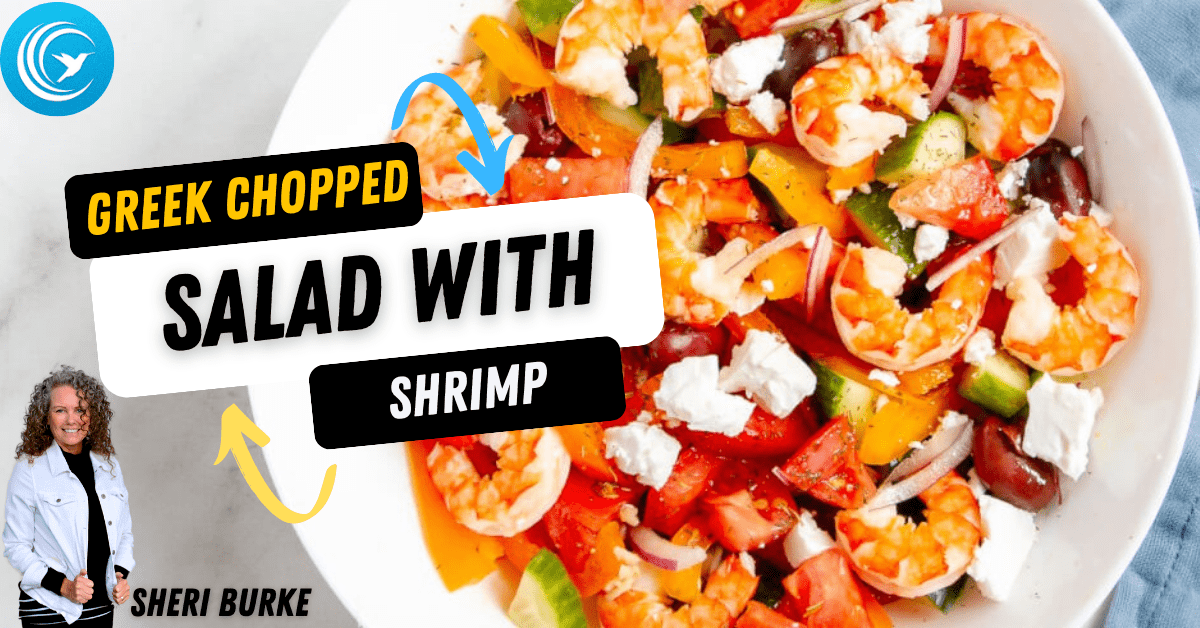
Bring a large pot of water to a boil. Blanch the shrimp in the boiling water for one to two minutes or until the shrimp turn a salmon pink color. Drain and set aside.
In a large bowl, toss together the bell peppers, tomato, cucumber, olives, red onion, and feta cheese. Mix the oil, vinegar, and Greek seasoning together to make a dressing and toss it with the vegetables.
Top the salad with the shrimp and enjoy!
Video
Notes
Leftovers: Refrigerate in an airtight container for up to two days.Serving Size: One serving is approximately 1 1/2 cups of salad with shrimp.More Flavor: Add minced garlic to the dressing and chopped dill to the salad.Dairy-Free: Omit the feta cheese or use a vegan alternative.NutritionFat..........20gCarbs......13gFiber.......02gSugar......02gProtein....33g
Healthy Hugs,
About the Author: Sheri Burkeis a Registered Holistic Nutritionist and Bariatric Surgery Coordinator at International Patient Facilitators in Tijuana and Cancun, Mexico. She has worked with bariatric surgery clients for over 10 years and especially enjoys providing nutritional guidance to pre and post bariatric clients. In her free time, she enjoys spending time with her husband and two teens and cooking up a nutritional storm in the kitchen.
Embarking on a bariatric journey is a courageous decision that can bring significant positive changes to one’s life. However, it’s normal to face challenges along the way, such as weight regain. If you’ve experienced this setback, know that you’re not alone. In this supportive blog, we’ll explore practical and compassionate strategies to help you reclaim control of your health and get back on track after bariatric surgery.
Weight regain after bariatric surgery can be disheartening, but it’s essential to remember that it can occur, especially during challenging life circumstances such as job changes, loss of loved ones, or divorce. Rather than being self-critical, acknowledge that life’s ups and downs can impact our routines and eating habits. Be gentle with yourself and focus on finding a positive way forward.
When facing weight regain, seeking support is crucial. Reach out to your bariatric support group, friends, or family members who can offer understanding and encouragement. Additionally, reconnect with your bariatric nutritionist to discuss your challenges openly. They can provide valuable insights, adjustments to your dietary plan, and offer non-judgmental guidance to help you regain focus.
Take time to reflect on the lifestyle habits that might have contributed to the weight regain. Have there been changes in your eating patterns, physical activity, or stress management? Identifying triggers and patterns will empower you to make necessary adjustments to support your weight loss goals.
Avoid restrictive diets or fad weight loss approaches. Instead, focus on consuming a balanced diet rich in nutrient-dense foods. Portion control, mindful eating, and regular meal planning can help you make healthier choices and avoid impulsive eating during stressful times.
Exercise is not only essential for weight management but also for overall well-being. Engage in physical activities you enjoy, whether it’s walking, swimming, dancing, or yoga. Aim for consistency rather than intensity, and remember that every small step counts.
Life’s challenges can trigger emotional eating or disordered eating habits. Prioritize self-care and stress management techniques such as meditation, deep breathing, or spending time in nature. Reach out to a therapist or counselor if you find that emotional struggles are impacting your eating habits.
Experiencing weight regain after bariatric surgery is not a failure; it’s an opportunity to refocus and make positive changes. Remember, you have a strong support system and professional guidance available. Embrace a compassionate mindset, adopt healthier habits, and take small steps towards reclaiming your health and well-being. You can do this!
You can always email me at s.burke@ipf-mail.com, or call me at 1 800 210 5124, or reach out to me on social media if you want to chat about regain and your options. I have my hand gently on your back.
Healthy Hugs,
About the Author: Sheri Burkeis a Registered Holistic Nutritionist and Bariatric Surgery Coordinator at International Patient Facilitators in Tijuana and Cancun, Mexico. She has worked with bariatric surgery clients for over 10 years and especially enjoys providing nutritional guidance to pre and post bariatric clients. In her free time, she enjoys spending time with her husband and two teens and cooking up a nutritional storm in the kitchen.
Take a barbecue skewer and thread a tomato, piece of prosciutto, and bocconcini one at a time until filled. Repeat with each barbecue skewer. Enjoy!
Video
Notes
Leftovers: Refrigerate in an airtight container for up to one day. Best enjoyed immediately.Serving Size: One serving is equal to two six-inch skewers.More Flavor: Add fresh basil to the skewers.Additional Toppings: Flaky sea salt and/or balsamic glaze.NutritionFat..........09gCarbs......03gFiber.......01gSugar......02gProtein....11g
Healthy Hugs,
About the Author: Sheri Burkeis a Registered Holistic Nutritionist and Bariatric Surgery Coordinator at International Patient Facilitators in Tijuana and Cancun, Mexico. She has worked with bariatric surgery clients for over 10 years and especially enjoys providing nutritional guidance to pre and post bariatric clients. In her free time, she enjoys spending time with her husband and two teens and cooking up a nutritional storm in the kitchen.
Embarking on a bariatric journey is a life-changing decision for individuals struggling with obesity. While vertical sleeve gastrectomy (VSG) has shown remarkable success, some individuals opt for revision surgery, transitioning to the mini gastric bypass (MGB).
In this blog, we will explore the reasons behind this choice and how revision surgery can offer renewed hope for lasting weight loss.
Vertical Sleeve Gastrectomy (VSG):
Vertical sleeve gastrectomy, commonly known as VSG or gastric sleeve surgery, involves removing a significant portion of the stomach to create a smaller pouch. This restrictive procedure limits food intake and reduces hunger hormones, leading to substantial weight loss. Many patients experience positive results, improved health, and an enhanced quality of life following VSG.
The Decision for Revision Surgery:
Despite the success of VSG, some individuals may find that their weight loss plateaus or regains over time. Others might experience complications or unresolved health issues. In such cases, patients may consider revision surgery to address these concerns effectively.
One common revision option is the mini gastric bypass (MGB), also known as the single-anastomosis gastric bypass. This procedure combines restrictive and malabsorptive elements. It involves creating a smaller stomach pouch and rerouting the small intestine to limit nutrient absorption further. The MGB aims to offer enhanced weight loss results compared to VSG alone.
Reasons to Opt for Mini Gastric Bypass:
Increased Weight Loss Potential: Individuals who experience inadequate weight loss or weight regain after VSG may choose revision surgery to overcome these challenges. The MGB’s combined restrictive and malabsorptive components can promote greater weight loss by further limiting food intake and calorie absorption.
Resolving Health Complications:For some patients, VSG might not effectively address pre-existing health conditions related to obesity, such as type 2 diabetes or high blood pressure. By transitioning to MGB, patients may experience better control of these conditions and an overall improvement in their health.
Long-Term Sustainability:The decision to undergo bariatric surgery is a commitment to lifelong changes. MGB has shown promising long-term results, offering patients renewed hope for sustained weight loss and better health outcomes.
Addressing Gastroesophageal Reflux Disease (GERD): In some cases, VSG may lead to an increased incidence of GERD or worsen pre-existing reflux symptoms. Revision to MGB can alleviate these issues, as the bypassed segment reduces gastric acid exposure to the esophagus.
Considerations and Risks:
Opting for revision surgery from VSG to MGB is a significant decision that requires thorough evaluation and discussion with experienced bariatric specialists. While MGB offers advantages, it also carries risks like any surgical procedure. Patients must understand the potential complications and the importance of post-operative lifestyle changes to ensure successful outcomes.
For individuals who have undergone vertical sleeve gastrectomy and are facing challenges in their weight loss journey, revision surgery to mini gastric bypass can be a transformative option. With careful consideration, guidance from healthcare professionals, and dedication to lifestyle changes, the transition to MGB can offer renewed hope for achieving sustained weight loss and improved well-being.
If you have questions regarding revision surgery, reach out to me for assistance and guidance. You can also complete the health form in order to ensure that you qualify for revision surgery: Click Here
Healthy Hugs,
About the Author: Sheri Burkeis a Registered Holistic Nutritionist and Bariatric Surgery Coordinator at International Patient Facilitators in Tijuana and Cancun, Mexico. She has worked with bariatric surgery clients for over 10 years and especially enjoys providing nutritional guidance to pre and post bariatric clients. In her free time, she enjoys spending time with her husband and two teens and cooking up a nutritional storm in the kitchen.
About the Author: Sheri Burkeis a Registered Holistic Nutritionist and Bariatric Surgery Coordinator at International Patient Facilitators in Tijuana and Cancun, Mexico. She has worked with bariatric surgery clients for over 10 years and especially enjoys providing nutritional guidance to pre and post bariatric clients. In her free time, she enjoys spending time with her husband and two teens and cooking up a nutritional storm in the kitchen.