This simply works as a guide and helps you to connect with doctors of your choice. Please confirm the doctor’s availability before leaving your premises.
Emergency bariatric care may be needed if you experience severe abdominal pain, complications from weight loss surgery, or symptoms of nutritional deficiencies.
To kick off the grilling season, I’ve curated a special menu of delicious and healthy grilling recipes just for you! 🌟🥗 Who can resist fresh veggies and lean proteins sizzling on the grill, seasoned to perfection? 🍅🍗
Enjoy these tasty and nutritious options as you celebrate the joys of outdoor cooking.
About the Author: Sheri Burkeis a Registered Holistic Nutritionist and Bariatric Surgery Coordinator at International Patient Facilitators in Tijuana and Cancun, Mexico. She has worked with bariatric surgery clients for over 10 years and especially enjoys providing nutritional guidance to pre and post bariatric clients. In her free time, she enjoys spending time with her husband and two teens and cooking up a nutritional storm in the kitchen.
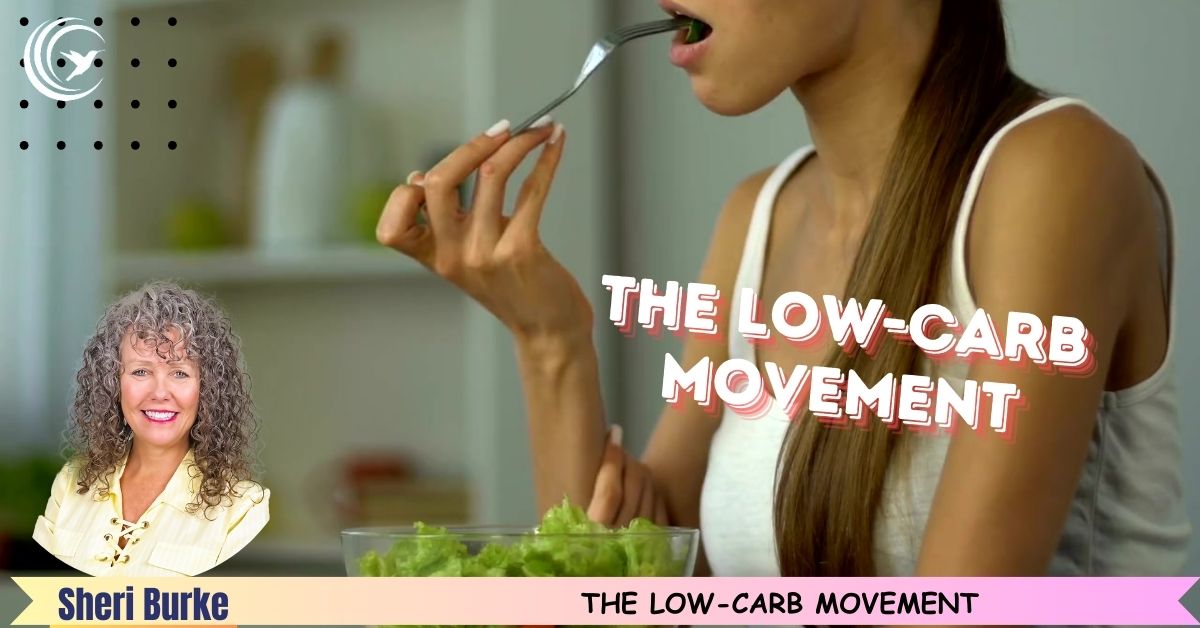
The Low-Carb Movement: Are We Sacrificing Nutrition for Carbs?
In recent years, the low-carb movement has gained significant traction, with many individuals adopting low-carb diets in pursuit of weight loss and improved health. While reducing sugar intake can indeed offer numerous health benefits, the extent to which some individuals are willing to go to lower their carbohydrate intake raises questions about nutrition and dietary balance.
A recent video circulating on social media caught my attention and prompted me to reflect on the current state of nutrition in our society. In the video, a woman proudly showcases her “healthy” BLT sandwich, replacing the traditional whole grain bread with processed cheese slices to reduce the carbohydrate content. While the intention to lower carb intake may be commendable, the substitution of nutrient-dense whole-grain bread with processed cheese slices raises concerns about the nutritional quality of the meal.
Whole grain breads are rich in fiber, vitamins, and minerals, providing essential nutrients that support overall health. In contrast, processed cheese slices are often high in saturated fats, sodium, and artificial additives, offering little nutritional value beyond their calorie content. By prioritizing carb reduction over overall nutritional quality, individuals may inadvertently compromise their health and well-being.
As a nutrition specialist specializing in bariatric nutrition, I understand the importance of carbohydrate management in weight management and metabolic health. However, it’s crucial to approach carbohydrate reduction in a manner that prioritizes nutrient density and dietary balance. Instead of resorting to highly processed and nutritionally lacking alternatives, individuals can make smarter choices by incorporating a variety of nutrient-dense foods into their diets.
For those following low-carb diets, there are plenty of wholesome and nutrient-rich alternatives to traditional high-carb foods. For example, swapping out refined grains for whole grains like quinoa can provide sustained energy and essential nutrients while still keeping carb intake in check. Additionally, incorporating plenty of vegetables, fruits, lean proteins, and healthy fats into meals ensures a well-rounded and nutritionally balanced diet.
It’s also essential to recognize that not all carbohydrates are created equal. While refined sugars and processed grains should be limited, complex carbohydrates found in whole grains, fruits, and vegetables play a vital role in supporting optimal health. These carbohydrates provide essential nutrients, fiber, and phytonutrients that contribute to satiety, digestive health, and disease prevention.
While the low-carb movement has its merits, it’s essential to approach carbohydrate reduction in a manner that prioritizes overall nutrition and dietary quality. Substituting nutrient-dense whole foods with processed alternatives may offer short-term carb reduction benefits but can ultimately compromise long-term health and well-being. By focusing on nutrient density, dietary balance, and moderation, individuals can achieve their health and weight goals while still enjoying a diverse and satisfying diet.
Healthy Hugs,
About the Author: Sheri Burkeis a Registered Holistic Nutritionist and Bariatric Surgery Coordinator at International Patient Facilitators in Tijuana and Cancun, Mexico. She has worked with bariatric surgery clients for over 10 years and especially enjoys providing nutritional guidance to pre and post bariatric clients. In her free time, she enjoys spending time with her husband and two teens and cooking up a nutritional storm in the kitchen.
If you make one or any of my recipes, let me know. I want to hear from you.
Your Bariatric Nutritionist,
Sheri Burke
Healthy Hugs,
About the Author: Sheri Burkeis a Registered Holistic Nutritionist and Bariatric Surgery Coordinator at International Patient Facilitators in Tijuana and Cancun, Mexico. She has worked with bariatric surgery clients for over 10 years and especially enjoys providing nutritional guidance to pre and post bariatric clients. In her free time, she enjoys spending time with her husband and two teens and cooking up a nutritional storm in the kitchen.
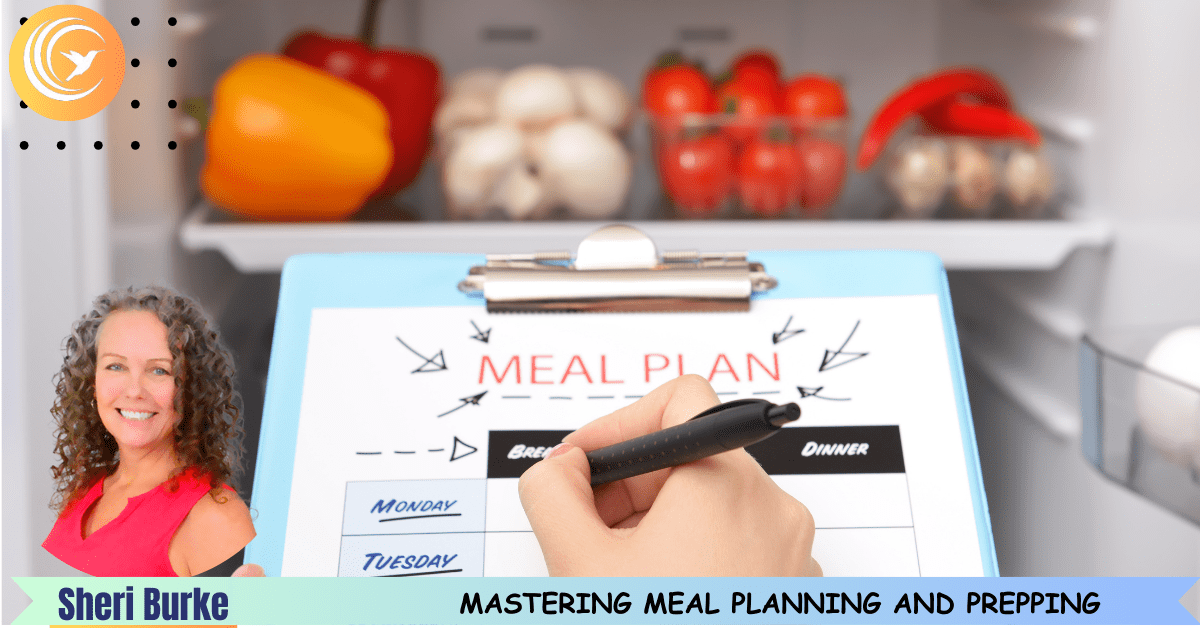
Hello, to all my bariatric clients! Today, let’s dive into the world of meal planning and prepping—a game-changer for your post-surgery journey. If you’re feeling overwhelmed or unsure about where to start, fear not! I’m here to guide you through the process with enthusiasm and support.
Embrace the Advantages
I want to kick things off by highlighting the numerous benefits of meal planning and prepping. First and foremost, it’s a fantastic way to save money. By creating a weekly meal plan and shopping list, you’ll be less likely to make impulse purchases or dine out frequently, ultimately helping you stick to your budget.
But the benefits don’t stop there. Planning and prepping your meals also allows you to eat in a more healthy fashion. With a well-thought-out menu, you can ensure that your meals are balanced, nutritious, and tailored to your specific dietary needs post-surgery. Plus, having healthy options readily available can help you resist the temptation of reaching for less nutritious snacks.
Organize for Digestive Success
Did you know that being more organized with your meals can actually benefit your digestive system? It’s true! Establishing a routine with meal planning and prepping can help regulate your eating patterns, making it easier for your body to digest and absorb nutrients effectively. Say goodbye to erratic eating habits and hello to a happier, healthier digestive system.
Simplify Your Life
Let’s talk about the beauty of simplicity. Meal planning and prepping take the guesswork out of food preparation, freeing up valuable time and mental energy. Instead of stressing about what to eat for your next meal, you can relax knowing that everything is already taken care of. It’s a wonderful feeling to have a plan in place, allowing you to focus on other aspects of your life with ease.
Get in Touch with Your Food and Your Kitchen
Lastly, meal planning and prepping offers you the opportunity to reconnect with your food and your kitchen. Take the time to explore new recipes, experiment with fresh ingredients, and unleash your culinary creativity. Cooking can be a therapeutic and empowering experience, and it’s a fantastic way to nourish both your body and your soul.
Your Recipe for Success
So, how do you get started with meal planning and prepping? It’s simpler than you might think! Begin by setting aside some time each week to plan your meals and create a shopping list. Choose recipes that align with your dietary goals and preferences, and don’t be afraid to mix things up to keep it interesting.
(I always browse online to see what supermarkets are offering the best deals. This is where I start. If chicken is on sale, then I am meal planning around “chicken recipes”).
Once you have your plan in place, head to the grocery store and stock up on everything you need for the week ahead. When you return home, dedicate some time to prep your ingredients and assemble your meals. Consider batch-cooking certain items to save time during the week, and don’t forget to portion out your meals for easy grab-and-go access.
Meal planning and prepping are invaluable tools on your bariatric journey. Not only do they save you time, money, and stress, but they also empower you to take control of your health and well-being. So, roll up your sleeves, put on your favorite apron, and let’s get cooking! Your body, your taste buds, and your wallet will thank you.
And here’s an extra tip for you: for a treasure trove of FREE meal plans designed specifically for bariatric patients post-surgery, be sure to download the “Bariatric Expert” app. With a variety of nutritious and delicious meal options at your fingertips, you’ll never run out of inspiration for your culinary adventures!
Here’s to delicious meals, happy tummies, and a lifetime of wellness!
Healthy Hugs,
Your Bariatric Nutritionist,
Sheri Burke
Healthy Hugs,
About the Author: Sheri Burkeis a Registered Holistic Nutritionist and Bariatric Surgery Coordinator at International Patient Facilitators in Tijuana and Cancun, Mexico. She has worked with bariatric surgery clients for over 10 years and especially enjoys providing nutritional guidance to pre and post bariatric clients. In her free time, she enjoys spending time with her husband and two teens and cooking up a nutritional storm in the kitchen.
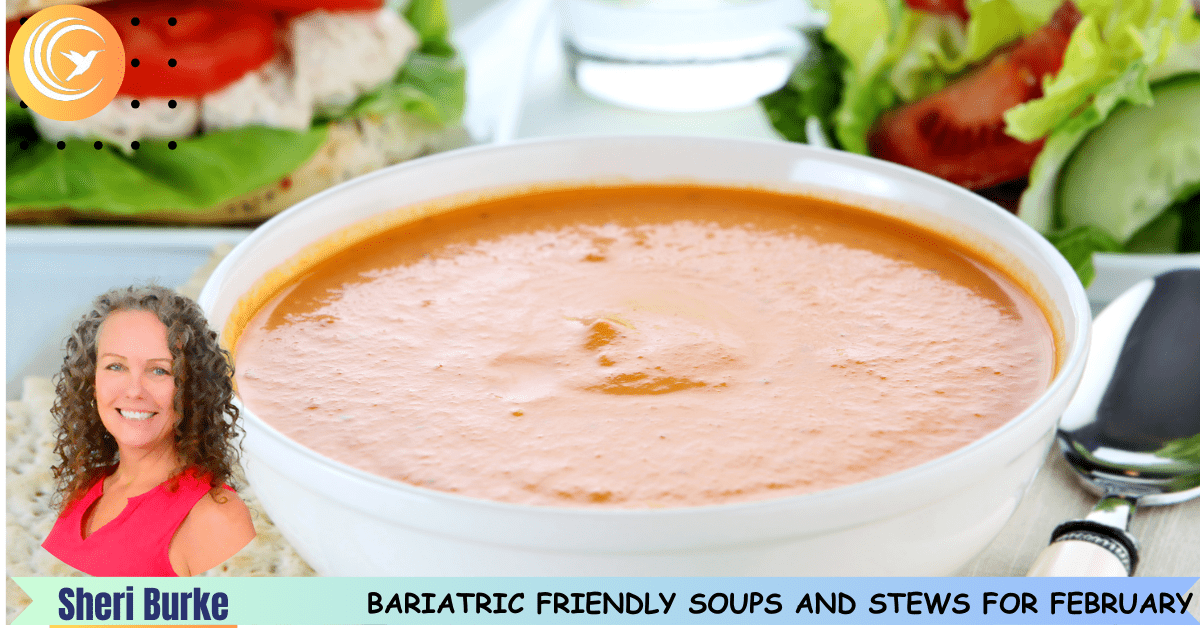
Hey there! Ready to cozy up with some delicious soups and stews this February? I’ve got you covered with my 10 bariatric-friendly recipes that are not only easy to make but also packed with flavor! From hearty classics to creative twists, these dishes are sure to warm your heart and keep you feeling satisfied.
So, grab a bowl, snuggle up, and enjoy some healthy comfort food with your loved ones this month. Here’s to a February filled with warmth and good eats!
About the Author: Sheri Burkeis a Registered Holistic Nutritionist and Bariatric Surgery Coordinator at International Patient Facilitators in Tijuana and Cancun, Mexico. She has worked with bariatric surgery clients for over 10 years and especially enjoys providing nutritional guidance to pre and post bariatric clients. In her free time, she enjoys spending time with her husband and two teens and cooking up a nutritional storm in the kitchen.
Embarking on a bariatric journey is a profound commitment to health and well-being. While nutritional choices play a significant role, the synergy between a mindful diet and regular movement is a powerhouse for long-term success. In this blog, let’s explore the importance of “moving more” and how finding joy in physical activity can be a game-changer on your bariatric path.
Redefining Exercise:
When we hear the word “exercise,” visions of grueling workouts in a gym might come to mind. However, let’s redefine exercise as any activity that gets you moving and brings you joy. Whether it’s a walk in the park, dancing in your living room, or tending to your garden, the key is finding something you genuinely enjoy.
Tailoring to Your Lifestyle:
The beauty of movement is that it can be tailored to fit your lifestyle. There’s no one-size-fits-all approach. If the thought of a traditional gym setting isn’t appealing, consider integrating movement into your daily routine. A post-dinner stroll, a morning bike ride, or even turning up the music and dancing while cooking—these all count as valuable forms of exercise.
The Mental Health Connection:
Beyond the physical benefits, regular movement is a powerful ally for mental health. It releases endorphins, the “feel-good” hormones, which can help alleviate stress, anxiety, and depression. As a bariatric patient, the holistic approach to well-being is crucial, and exercise plays a significant role in achieving that balance.
Building Consistency, Not Intensity:
Consistency is the key to long-term success. Rather than focusing on intense, sporadic workouts, aim for consistency in your daily movement. It could be a 20-minute walk every day or a weekend hike. Building these habits gradually ensures they become a sustainable part of your lifestyle.
Discovering Joy in Movement:
The most effective form of exercise is the one you enjoy. Experiment with different activities until you find what brings you joy. It might be a dance class, swimming, or practicing yoga. When exercise is enjoyable, it transforms from a chore into a fulfilling part of your day.
Functional Fitness for Daily Living:
Consider exercise as a tool to enhance your daily life. Improved mobility and strength gained through movement contribute to better functionality in your everyday activities. It’s about creating a body that supports you in living your life to the fullest.
Community Connection:
Joining group activities or classes can add a social dimension to your exercise routine. Whether it’s a local walking group or a dance class, the sense of community can provide motivation and make the journey more enjoyable.
Celebrating Non-Scale Victories:
As a bariatric patient, victories extend beyond the scale. Celebrate the non-scale victories that come with regular movement—increased energy, improved mood, enhanced flexibility, and the satisfaction of setting and achieving personal fitness goals.
Embracing the Journey:
Moving more is not just about burning calories; it’s about embracing the journey to a healthier, more vibrant life. It’s a celebration of what your body can do and an investment in your long-term well-being.
“Moving More” is a mantra that transcends the conventional notions of exercise. It’s about finding joy in movement, tailoring it to your lifestyle, and celebrating the holistic benefits it brings to your physical and mental well-being. As a bariatric patient, the journey is uniquely yours, and so is the path to a more active and fulfilling life.
Healthy Hugs,
About the Author: Sheri Burkeis a Registered Holistic Nutritionist and Bariatric Surgery Coordinator at International Patient Facilitators in Tijuana and Cancun, Mexico. She has worked with bariatric surgery clients for over 10 years and especially enjoys providing nutritional guidance to pre and post bariatric clients. In her free time, she enjoys spending time with her husband and two teens and cooking up a nutritional storm in the kitchen.