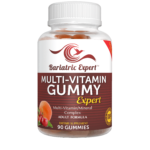
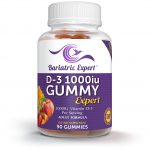
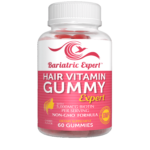
This simply works as a guide and helps you to connect with doctors of your choice. Please confirm the doctor’s availability before leaving your premises.
Emergency bariatric care may be needed if you experience severe abdominal pain, complications from weight loss surgery, or symptoms of nutritional deficiencies.
If you need any assistance with bariatric recipes or food plans, download the App “Bariatric Expert”. I’ve uploaded free recipes and menus to help you along your journey with all the macronutrient breakdowns there to support you and your goals.
Navigating the path of bariatric surgery involves making conscious choices that support your health and well-being. A crucial tool in this journey is the nutrition label, providing a wealth of information about the foods you consume. Understanding how to decipher these labels empowers you to make informed choices that align with your post-surgery goals. In this blog, we’ll unravel the mysteries of nutrition labels, helping you take charge of your diet and nourish your body effectively.
Reading the Serving Size and Servings Per Container: The foundation of decoding a nutrition label begins with the serving size and servings per container. This information sets the stage for accurate nutrient evaluation. Adjusting portions to your bariatric needs ensures you’re consuming an appropriate amount of nutrients while preventing overconsumption. Remember, your portion sizes may differ from those stated on the label, so use this as a guide for adaptation.
Calories: Understanding calorie content is vital in your weight management journey. The number of calories per serving indicates the energy you’re consuming. For bariatric patients, it’s essential to prioritize nutrient-dense options that offer maximum nourishment for the calories consumed. This knowledge enables you to make choices that align with your calorie goals and promote steady weight loss.
Protein Content: Protein is the cornerstone of the bariatric diet. When analyzing nutrition labels, focus on the protein content per serving. Adequate protein intake supports muscle preservation, boosts metabolism, and promotes a feeling of fullness. Look for foods that provide a substantial amount of protein while keeping an eye on other nutrients.
Carbohydrates: Carbohydrates play a role in blood sugar management and overall health. Pay attention to the breakdown of carbohydrates into sugar, fiber, and total carbs. For bariatric patients, opting for foods higher in fiber and lower in sugar can help prevent rapid spikes in blood sugar levels, supporting balanced energy and stable hunger.
Fats: The types of fats in your diet matter greatly. Evaluate the saturated, unsaturated, and trans fat content on the label. Bariatric patients should prioritize unsaturated fats while minimizing saturated and trans fats. Incorporating healthy fats supports heart health, absorption of fat-soluble vitamins, and overall well-being.
Sodium (Salt): Monitoring sodium intake is crucial, particularly post-surgery. Excessive sodium can lead to water retention and impact blood pressure. Check the sodium content per serving and choose options that are lower in sodium. This practice aligns with your goal of maintaining balanced fluid levels and overall cardiovascular health.
Vitamins and Minerals: While many nutrition labels don’t provide a comprehensive breakdown of vitamins and minerals, they may highlight certain essential nutrients. Keep an eye out for nutrients like calcium, iron, and vitamins, especially those you need to prioritize in your bariatric journey. Supplementing wisely can help bridge nutritional gaps.
Decoding nutrition labels empowers you to make choices that reflect your bariatric goals. Armed with this knowledge, you can navigate the supermarket aisles with confidence, selecting foods that nourish your body while aligning with your post-surgery needs. Embrace the information on nutrition labels as your ally in achieving optimal health and a successful bariatric journey. Remember, every choice you make is a step toward a healthier you.
If you need any assistance with bariatric recipes or food plans, download the App “Bariatric Expert”. I’ve uploaded free recipes and menus to help you along your journey with all the macronutrient breakdowns there to support you and your goals.
Healthy Hugs,
About the Author: Sheri Burkeis a Registered Holistic Nutritionist and Bariatric Surgery Coordinator at International Patient Facilitators in Tijuana and Cancun, Mexico. She has worked with bariatric surgery clients for over 10 years and especially enjoys providing nutritional guidance to pre and post bariatric clients. In her free time, she enjoys spending time with her husband and two teens and cooking up a nutritional storm in the kitchen.
Bring a small pot of water to a boil. Add the shrimp and cook for two minutes, until bright pink and cooked through. Drain and set aside to cool.
Add the shrimp, vinegar, oil, tamari, basil, and peanuts to a bowl. Toss well to combine.
Divide the shrimp evenly between the lettuce cups. Serve and enjoy!
Notes
Leftovers: Refrigerate in an airtight container for up to two days.Serving Size: One serving is equal to three lettuce wraps.More Flavor: Add a pinch of chili flakes.Nutrition:Fat..........4gCarbs......1gFiber.......0gSugar......0gProtein....24g
Healthy Hugs,
About the Author: Sheri Burkeis a Registered Holistic Nutritionist and Bariatric Surgery Coordinator at International Patient Facilitators in Tijuana and Cancun, Mexico. She has worked with bariatric surgery clients for over 10 years and especially enjoys providing nutritional guidance to pre and post bariatric clients. In her free time, she enjoys spending time with her husband and two teens and cooking up a nutritional storm in the kitchen.
About the Author: Sheri Burkeis a Registered Holistic Nutritionist and Bariatric Surgery Coordinator at International Patient Facilitators in Tijuana and Cancun, Mexico. She has worked with bariatric surgery clients for over 10 years and especially enjoys providing nutritional guidance to pre and post bariatric clients. In her free time, she enjoys spending time with her husband and two teens and cooking up a nutritional storm in the kitchen.
Embarking on a bariatric journey is a transformative experience, and one that requires dedicated attention to your health and well-being. One critical aspect often overlooked is the role of vitamins and minerals in supporting your post-surgery success. Today, we’re delving into the importance of vitamin D3 for bariatric patients, and I’m excited to introduce you to a trusted source for top-quality supplements.
Why Vitamin D3 Matters: Vitamin D3, often referred to as the “sunshine vitamin,” is a powerhouse nutrient that plays a pivotal role in your health journey. After bariatric surgery, your body’s ability to absorb essential nutrients may be altered. Vitamin D3 is crucial for several reasons:
Bone Health: Vitamin D3 is instrumental in calcium absorption, essential for maintaining strong bones and preventing osteoporosis—a concern for many bariatric patients.
Immune Support: Adequate vitamin D3 levels have been linked to a strengthened immune system, which is especially important post-surgery when your body needs to heal and adapt.
Mood and Mental Health: Emerging research suggests a connection between vitamin D3 deficiency and mood disorders. Ensuring optimal levels may contribute to emotional well-being.
Weight Management: Vitamin D3 deficiency has been linked to weight gain and difficulty in shedding excess pounds. Maintaining adequate levels may support your ongoing weight management efforts.
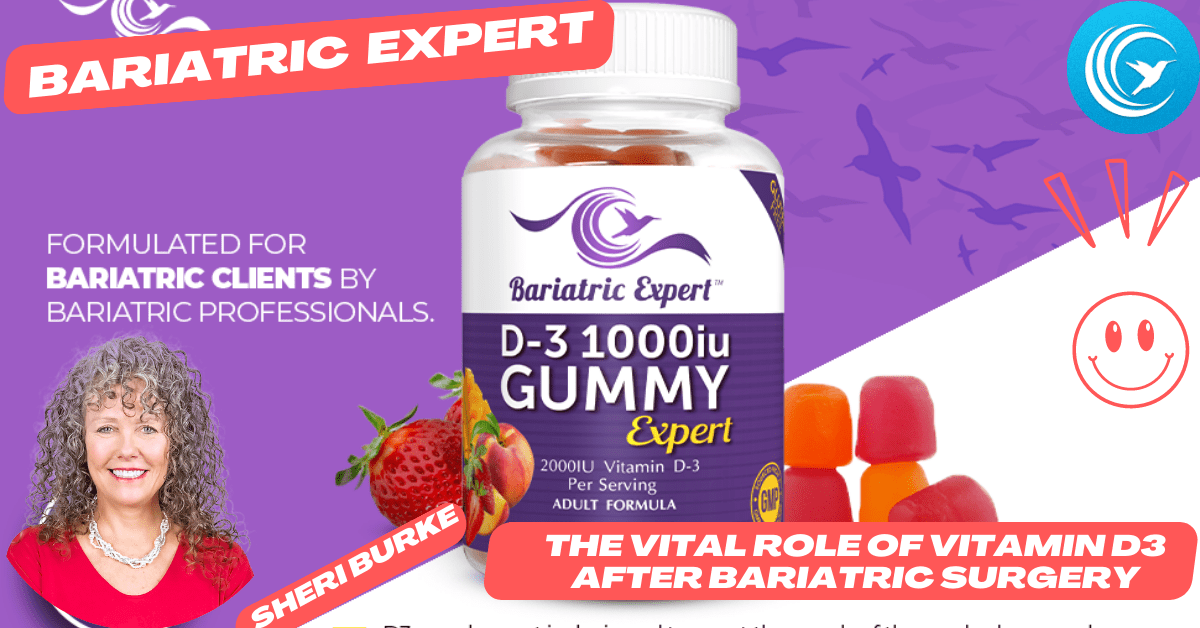
Introducing Bariatric Expert’s Vitamin D3: I’m thrilled to introduce you to an exceptional source for your vitamin D3 needs: Bariatric Expert’s Vitamin D3 supplement, available at www.bariatricfoodexpert.comWhat sets this supplement apart is its commitment to quality, potency, and suitability for bariatric patients. It tastes great and is easy to take, digest, absorb and assimilate.
High Potency: Bariatric Expert’s Vitamin D3 offers a potent dose of this crucial nutrient, ensuring you get the maximum benefit.
Easy Absorption: After bariatric surgery, your body’s ability to absorb nutrients may be compromised. Bariatric Expert’s Vitamin D3 is carefully formulated for optimal absorption, giving you the confidence that you’re getting what you need.
Medical Expertise: Bariatric Expert understands the unique needs of bariatric patients. Their Vitamin D3 supplement is designed with your journey in mind, offering targeted support during your recovery and beyond.
Quality Assurance: When it comes to your health, quality matters. Bariatric Expert’s Vitamin D3 is rigorously tested to meet the highest standards, giving you peace of mind with every dose.
As you continue on your bariatric journey, remember that every choice you make impacts your progress. Ensuring you provide your body with the necessary nutrients, like vitamin D3, is essential. I encourage you to explore Bariatric Expert’s Vitamin D3 supplement—a partner in your commitment to health.
Visit www.bariatricfoodexpert.com to discover this exceptional supplement and take another confident step toward your optimal well-being.
Yours in health and support.
Healthy Hugs,
About the Author: Sheri Burkeis a Registered Holistic Nutritionist and Bariatric Surgery Coordinator at International Patient Facilitators in Tijuana and Cancun, Mexico. She has worked with bariatric surgery clients for over 10 years and especially enjoys providing nutritional guidance to pre and post bariatric clients. In her free time, she enjoys spending time with her husband and two teens and cooking up a nutritional storm in the kitchen.
Using a small blender, immersion blender, or food processor, blend the cherries and water until almost smooth (some chunks are okay). If needed, add another tablespoon of water. Set aside.
In a bowl, combine the yogurt, maple syrup, and vanilla.
Layer each popsicle mold starting with some yogurt then some cherry purée.Top each with the remaining yogurt, leaving about an inch of space from the top.
Stick a knife into each mold to gently combine the cherry purée and yogurt.
Freeze for five to six hours or until completely frozen. Enjoy!
Notes
Leftovers: Keep frozen popsicles in an airtight container in the freezer for up to one month.Serving Size: One popsicle is one serving.Make it Vegan: Use a plant-based yogurt alternative.Popsicle Molds: The amount of popsicles made from this recipe can very based on the size of popsicle mold used.NutritionFat.........02gCarbs.....10gFiber......0gSugar.....7gProtein...7g
Healthy Hugs,
About the Author: Sheri Burkeis a Registered Holistic Nutritionist and Bariatric Surgery Coordinator at International Patient Facilitators in Tijuana and Cancun, Mexico. She has worked with bariatric surgery clients for over 10 years and especially enjoys providing nutritional guidance to pre and post bariatric clients. In her free time, she enjoys spending time with her husband and two teens and cooking up a nutritional storm in the kitchen.
I invite you to give my “Bariatric One Pan Meal Plan” a try. It boasts a high protein content and is ideally portioned for the bariatric pouch. This approach not only minimizes food waste but also trims down your grocery expenses.
Additionally, we’ll prepare a surplus for the following day’s lunch, streamlining your cooking to just one meal per day, plus a straightforward breakfast. For those with larger families, don’t hesitate to double up on the recipes.
About the Author: Sheri Burkeis a Registered Holistic Nutritionist and Bariatric Surgery Coordinator at International Patient Facilitators in Tijuana and Cancun, Mexico. She has worked with bariatric surgery clients for over 10 years and especially enjoys providing nutritional guidance to pre and post bariatric clients. In her free time, she enjoys spending time with her husband and two teens and cooking up a nutritional storm in the kitchen.