This simply works as a guide and helps you to connect with doctors of your choice. Please confirm the doctor’s availability before leaving your premises.
Emergency bariatric care may be needed if you experience severe abdominal pain, complications from weight loss surgery, or symptoms of nutritional deficiencies.
In the realm of bariatric health, the journey to comprehend vital nutrients often leads to questions about one powerful player: Vitamin D. Today, it’s my plan to simplify the significance of this sunshine vitamin and its critical role in the context of bariatric health.
Why Vitamin D Matters:
Vitamin D is like a supportive friend for your entire body. It’s essential for maintaining strong bones, supporting a robust immune system, and regulating mood. Bariatric patients, in particular, benefit from a closer look at vitamin D because:
Bone Health: After weight loss surgery, maintaining strong bones is a priority. Vitamin D ensures that your body can absorb calcium effectively, which is crucial for bone health.
Immune Support: A well-functioning immune system is essential for everyone but especially vital for bariatric patients. Vitamin D helps strengthen the body’s defenses.
Mood and Well-being: Many bariatric patients face changes in mood. Vitamin D plays a role in managing mood and reducing symptoms of depression.
Weight Management: There’s a link between vitamin D levels and weight management. Ensuring you have adequate vitamin D can help support your weight loss goals.
The Vitamin D Sources:
Vitamin D comes from a few primary sources:
Sunshine: Your skin produces vitamin D when exposed to sunlight. For bariatric patients, a short daily walk can be an excellent way to boost your levels.
Diet: Some foods contain vitamin D, including fatty fish like salmon, eggs, and fortified products like milk and cereal.
Supplements: Many bariatric patients need vitamin D supplements to maintain adequate levels.
Vitamin D and Bariatric Health:
Bariatric patients often face challenges in absorbing nutrients. This can lead to deficiencies, including vitamin D. Regular monitoring through blood tests is crucial to ensure you’re maintaining healthy levels.
Vitamin D isn’t a complex puzzle but a crucial piece of the bariatric health journey. By simplifying its importance and highlighting the sources and role it plays, my goal is to empower you to make informed choices.
Remember, a bit of sunshine, a balanced diet, and possibly a supplement can keep your vitamin D levels in the sunny zone, supporting your path to better health.
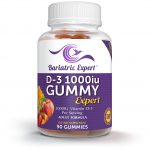
For high-quality vitamin D, specifically formulated for bariatric patients, visit this CLICK
Healthy Hugs,
About the Author: Sheri Burkeis a Registered Holistic Nutritionist and Bariatric Surgery Coordinator at International Patient Facilitators in Tijuana and Cancun, Mexico. She has worked with bariatric surgery clients for over 10 years and especially enjoys providing nutritional guidance to pre and post bariatric clients. In her free time, she enjoys spending time with her husband and two teens and cooking up a nutritional storm in the kitchen.
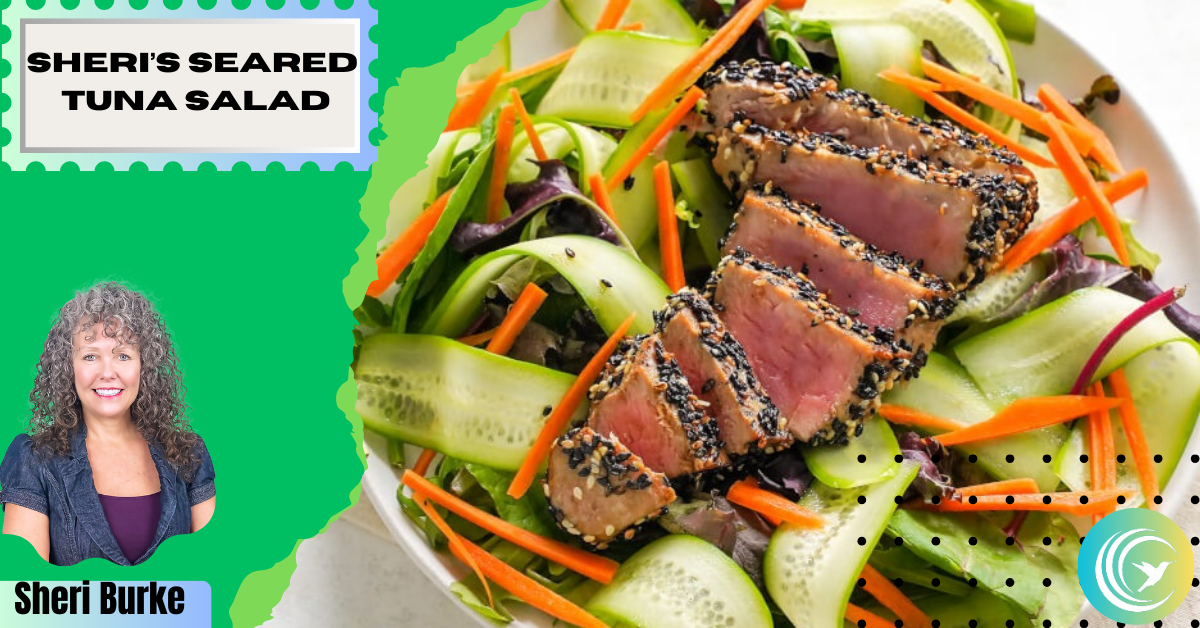
Heat half of the oil in a non-stick pan over medium-high heat. Coat the tuna with sesame seeds. Sear the tuna for four to five minutes, flipping halfway.
Divide the mixed greens, carrot, and cucumber between serving plates. Thinly slice the tuna and place on top of the salad.
Drizzle the salad with the remaining oil and soy sauce. Enjoy!
Notes
Leftovers: Refrigerate in an airtight container for up to a day.Serving Size: One serving is equal to approximately two cups.More Flavor: Marinate the tuna in soy sauce over night.Additional Toppings: Top with cilantro and you choice of dressing.NutritionFat..............10gCarbs..........11gFiber...........3gSugar..........4gProtein......39g
Healthy Hugs,
About the Author: Sheri Burkeis a Registered Holistic Nutritionist and Bariatric Surgery Coordinator at International Patient Facilitators in Tijuana and Cancun, Mexico. She has worked with bariatric surgery clients for over 10 years and especially enjoys providing nutritional guidance to pre and post bariatric clients. In her free time, she enjoys spending time with her husband and two teens and cooking up a nutritional storm in the kitchen.
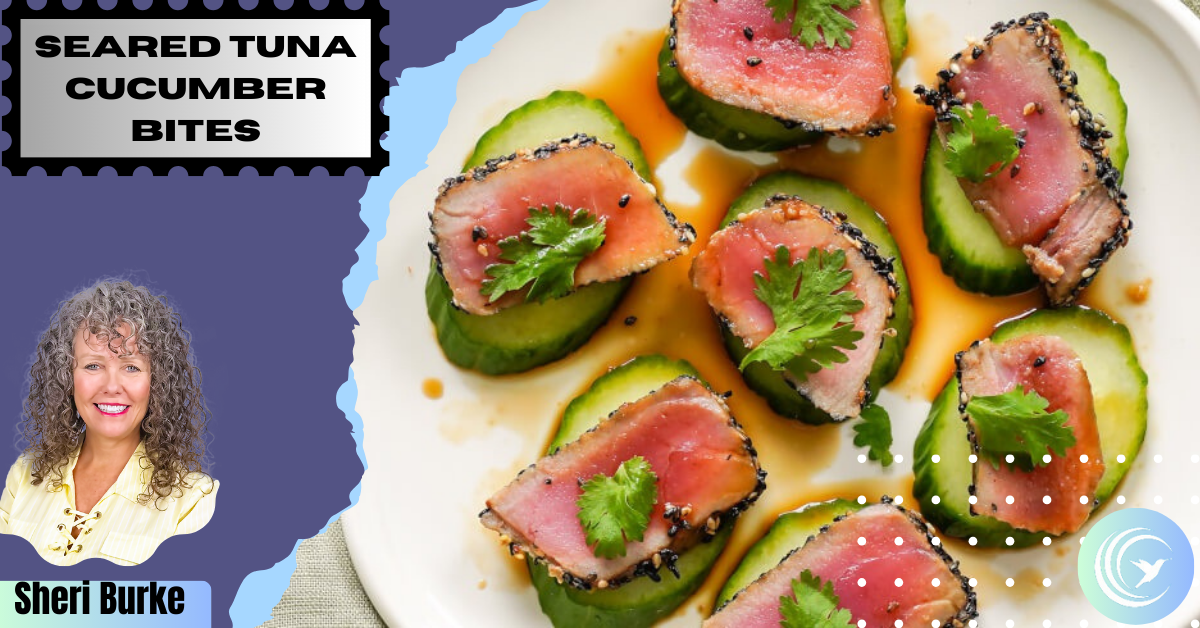
Heat the oil in a non-stick pan over medium-high heat. Coat the tuna with sesame seeds. Sear the tuna for four to five minutes, flipping halfway.
Thinly slice the tuna into bite-sized pieces. Add a piece of tuna to each cucumber slice. Top with cilantro and soy sauce. Enjoy!
Notes
Leftovers: Best enjoyed immediately. Refrigerate in an airtight container for up to a day.Serving Size: One serving is equal to approximately three to four cucumber pieces.No Cilantro: Omit or use green onion instead.NutritionFat..........6gCarbs......4gFiber........1gSugar.......1gProtein.....27g
Healthy Hugs,
About the Author: Sheri Burkeis a Registered Holistic Nutritionist and Bariatric Surgery Coordinator at International Patient Facilitators in Tijuana and Cancun, Mexico. She has worked with bariatric surgery clients for over 10 years and especially enjoys providing nutritional guidance to pre and post bariatric clients. In her free time, she enjoys spending time with her husband and two teens and cooking up a nutritional storm in the kitchen.
Preheat the oven to 350°F (175°C). Line a baking dish with parchment paper.
Spread 1/3 of the marinara sauce all over the bottom of the dish. Layer in little stacks of eggplant, mozzarella, and the remaining marinara sauce. Each stack will likely be three to four eggplant rounds high. Bake for 20 minutes or until it softens slightly and the cheese has melted.
Garnish with parmesan cheese and enjoy!
Notes
Leftovers: Refrigerate in an airtight container for up to three days.Serving Size: One serving is half an eggplant or aproximately two stacks.Make it Vegan: Use vegan cheese shreds instead.More Flavor: Garnish with fresh basil.Serve it With: Pasta, rice, or protein of choice.NutritionFat...........9gCarbs.....18gFiber.......9gSugar......11gProtein....10g
Healthy Hugs,
About the Author: Sheri Burkeis a Registered Holistic Nutritionist and Bariatric Surgery Coordinator at International Patient Facilitators in Tijuana and Cancun, Mexico. She has worked with bariatric surgery clients for over 10 years and especially enjoys providing nutritional guidance to pre and post bariatric clients. In her free time, she enjoys spending time with her husband and two teens and cooking up a nutritional storm in the kitchen.
I hope this message finds you in good health and high spirits on your unique journeys to wellness. Today, I want to delve into a topic that has personally resonated with me – mindful eating.
When you embark on the path of bariatric surgery, you make a profound commitment to your health and well-being. It’s a journey of transformation that goes beyond physical changes; it’s about nurturing a wholesome relationship with food, body, and self. Mindful eating is a concept that aligns beautifully with this commitment and offers invaluable insights into our hunger and fullness cues.
The Heart of Mindful Eating
Mindful eating is not a diet; it’s a way of reconnecting with the sensory experience of eating. It’s about savoring each bite, fully engaging with the flavors, textures, and aromas of our food. But it’s also about tuning into our body’s signals – the gentle cues of hunger and the contented sense of fullness.
Why is Mindful Eating Important?
For those of us who are conscious of our health and well-being, mindful eating takes on great significance. It helps us recognize the subtle cues that indicate we’ve had enough. Especially after certain experiences, it’s easy to misinterpret our body’s signals. We might still have food on our plates, but our stomachs are saying, “I’m satisfied.” Being in tune with these cues can prevent uncomfortable overeating and promote healthier portion control.
Cultivating a Healthy Relationship with Food
Many of us have complex histories with food, often marked by emotional connections or using food as a source of comfort. Mindful eating encourages us to embrace food without judgment, allowing us to appreciate its nourishing qualities while reducing the emotional charge.
Enhancing Nutrient Intake
Every bite we take matters. Mindful eating helps us make the most of our food intake by ensuring that we choose nutrient-dense options and savor them fully. This can aid in better nutrient absorption and overall health.
How to Practice Mindful Eating
Engage Your Senses: Before you take a bite, pause to appreciate the appearance, smell, and texture of your food. Allow your senses to fully immerse you in the experience.
Eat Slowly: Put your fork down between bites. Savor the flavors in your mouth. Eating slowly gives your body time to send those vital fullness signals.
Listen to Your Body: Pay attention to your hunger and fullness cues. Are you eating because you’re truly hungry, or is it out of habit or emotion? Stop when you’re satisfied, not when your plate is empty.
Eliminate Distractions: Turn off the TV, put away your phone, and create a peaceful eating environment. This allows you to focus entirely on your meal.
Practice Gratitude: Take a moment to express gratitude for your food and the nourishment it provides. This can be a powerful way to shift your mindset around eating.
Forgive Yourself: If you have moments where you eat mindlessly or slip back into old habits, practice self-compassion. Remember, mindful eating is a journey, not a destination.
Mindful eating is a friendly companion on our path to health and well-being. It’s not about perfection but rather about embracing the imperfect, ever-evolving journey we’re on. By paying close attention to our hunger and fullness cues, we can prevent overeating, nurture a healthy relationship with food, and make the most of each nourishing bite.
I encourage you to explore mindful eating at your own pace. It’s a practice that can enrich your journey and help you build a more profound connection with the sustenance that fuels your transformation.
Healthy Hugs,
About the Author: Sheri Burkeis a Registered Holistic Nutritionist and Bariatric Surgery Coordinator at International Patient Facilitators in Tijuana and Cancun, Mexico. She has worked with bariatric surgery clients for over 10 years and especially enjoys providing nutritional guidance to pre and post bariatric clients. In her free time, she enjoys spending time with her husband and two teens and cooking up a nutritional storm in the kitchen.
About the Author: Sheri Burkeis a Registered Holistic Nutritionist and Bariatric Surgery Coordinator at International Patient Facilitators in Tijuana and Cancun, Mexico. She has worked with bariatric surgery clients for over 10 years and especially enjoys providing nutritional guidance to pre and post bariatric clients. In her free time, she enjoys spending time with her husband and two teens and cooking up a nutritional storm in the kitchen.